
How Does a Video Wall Work and Why Choose LED?

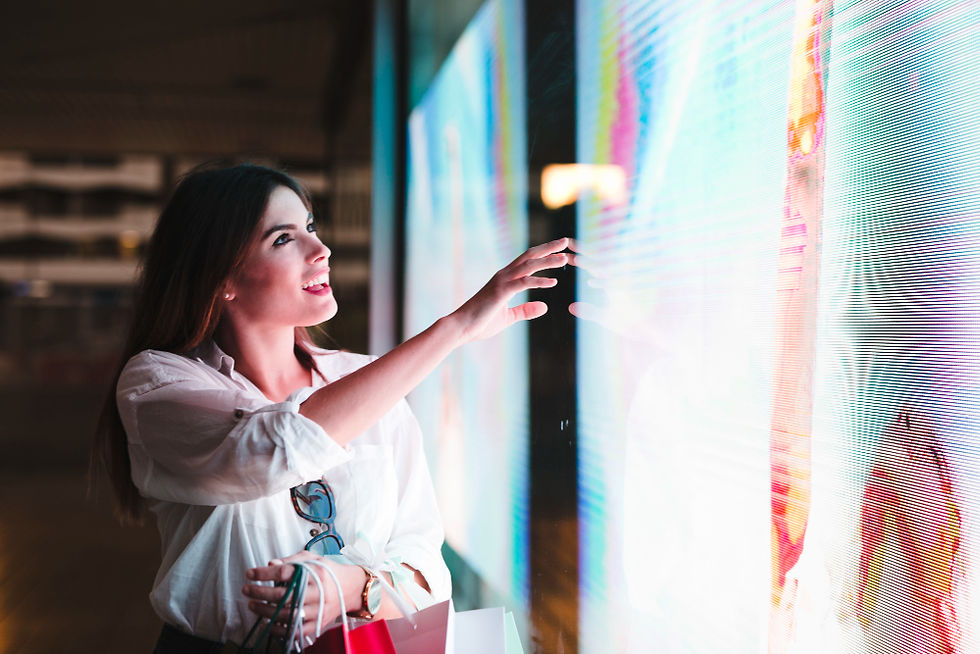
A video wall is a large display system that works by tiling multiple screens into a single display managed by a specialized controller. This hardware serves as the system processor, dividing a single content source into precise segments and distributing them across each panel to maintain synchronized, high-definition visuals.
Since professional environments demand absolute reliability, this guide examines the hardware driving modern video wall technology. It explains why choosing an LED video wall yields superior technical performance compared to traditional monitors.
The Foundational Components of a Synchronized Display System
Modern video wall technology relies on three primary hardware layers working together to deliver a cohesive visual experience.
Component 1: The Display Panels
Individual screens form the visible surface of any video wall. While LCD options are available, they often feature noticeable bezels. LED video walls use seamless tiles to create smooth, gap-free imagery.
Achieving this high-quality appearance depends heavily on the pixel pitch, which measures the spacing between diodes. Generally, a lower pitch ensures higher resolution and better clarity, making it ideal for close-range viewing in corporate lobbies.
Component 2: The Processor and Controller
The video wall controller acts as the central processor, taking a single video signal and dividing it into precise segments for each panel. By managing these data streams, the hardware ensures perfect synchronization and smooth playback across the entire surface. To streamline operations, integrated management software enables users to scale content, switch input sources, like cameras or computers, and adjust display modes with minimal effort.
Component 3: Signal Distribution and Infrastructure
Reliable signal distribution is required to route content segments to each panel without loss of quality. Utilizing specialized cables or extenders ensures that data remains crisp, even if the processor is housed in a remote IT room. This infrastructure maintains the signal integrity needed for large-scale video wall technology to perform consistently under 24/7 operational demands.
Strategic Business Value and Installation Benefits
Investing in a video wall delivers measurable returns by merging technical flexibility with high-impact visual presence.
1. Unrestricted Creative Freedom and Engagement
Advanced processors provide the technical versatility required to align your video wall with specific commercial objectives. These controllers manage complex data streams to ensure your output remains perfectly fluid and perfectly timed, whether you are deploying a transparent LED panel or a standard high-resolution display.
To maximize visual impact and versatility, video walls provide:
Creative Flexibility: Broadcast a single massive video across the entire wall for high-impact branding, or use customized layouts to display data dashboards and live feeds simultaneously.
High Engagement: Integrating hardware like infrared touch frames or motion sensors transforms the display into an interactive retail or educational tool, ensuring your investment drives active participation.
2. Operational Efficiency and Maximum Attention
Maximizing your commercial reach requires a system that remains both agile and high-impact throughout its lifecycle. Professional video wall technology eliminates the logistical bottlenecks of traditional media, allowing your team to pivot messaging instantly in response to real-time market demands or event schedules.
These displays provide:
Operational Agility: Remote management software enables instant content updates for digital menus or flash promotions, eliminating recurring printing costs and labor delays associated with static signage.
Visual Impact: The massive scale and calibrated brightness of an LED video wall ensure maximum attention.
Essential Checklist for Choosing Your Video Wall Setup
A successful professional installation relies on aligning specific hardware capabilities with the distinct requirements of your environment.
Key Technical Decision Points and Use Cases
Selecting the right hardware configuration is critical to achieving a seamless, lasting visual experience. To ensure your video wall technology delivers optimal results, consider these essential variables:
Display Type: Opt for an LED video wall if you require a seamless, gap-free canvas with high brightness, or choose LCD panels for high-detail layouts where a thin bezel grid is acceptable.
Environment: Evaluate the installation site to choose between standard indoor brightness levels or high-nit, weather-rated hardware designed for outdoor durability.
Content & Control: Identify whether your system will primarily play simple video loops or if you require an advanced controller to manage multi-window, interactive feeds from various sources.
Applications: Tailor the technical specs to your venue. For example, precision is vital for command centers and corporate conference rooms, while maximum brightness is the priority for high-impact outdoor advertising.
Expert Guidance and Service Security
A synchronized display system involves complex hardware calibration that requires specialist expertise for a truly seamless finish. Professional integration ensures your video wall controller and signal distribution network function without latency or alignment errors, preventing costly downtime. By partnering with experts, you guarantee that your high-resolution investment remains stable, color-accurate, and fully optimized for long-term 24/7 commercial display operations.
Transform Your Space with a Professional Video Wall Solution

Ready to upgrade your visual communication? Contact JX Video Wall today to finalize your audiovisual system integration strategy. We provide a free site inspection to accurately determine the ideal size, resolution, and control system for your space, whether you require a high-impact LED video wall in Singapore or a specialized transparent LED panel. A 2-year customizable warranty backs every installation to ensure long-term operational security.


Comments