
How to Choose the Right Commercial LED Video Walls

Choosing the right LED video wall for your business or organization is a critical decision. It impacts how you communicate with your audience, the quality of your visual displays, and the overall effectiveness of your digital signage. I will guide you through the key factors to consider when selecting a commercial LED video wall. This will help you make an informed choice that fits your needs and budget.
Understanding Your Display Needs
Before diving into technical specifications, assess your display requirements. Ask yourself:
What is the primary purpose of the video wall? Advertising, information display, entertainment, or interactive use?
Where will the video wall be installed? Indoor or outdoor?
What is the typical viewing distance of your audience?
How large should the display be to capture attention effectively?
For example, a video wall in a retail store needs bright, high-resolution screens to attract customers from a distance. In contrast, a control room might prioritize clarity and detail over size.
Knowing these details helps narrow down your options and ensures the video wall meets your specific goals.
Key Factors in Choosing Commercial LED Video Walls
When selecting a commercial LED video wall, focus on these critical factors:
Resolution and Pixel Pitch
Resolution determines the clarity of the image. Pixel pitch is the distance between the centers of two adjacent pixels. A smaller pixel pitch means higher resolution and sharper images, especially at close viewing distances.
For close-up viewing (less than 10 feet), choose a pixel pitch of 1.5mm to 2.5mm.
For medium distances (10 to 30 feet), 2.5mm to 4mm works well.
For long distances (over 30 feet), 4mm to 10mm is sufficient.
Brightness and Contrast
Brightness is measured in nits. Indoor video walls typically require 800 to 1500 nits, while outdoor walls need 2500 nits or more to combat sunlight glare.
Contrast ratio affects how vivid the images appear. Higher contrast ratios produce deeper blacks and more vibrant colors.
Viewing Angle
A wide viewing angle ensures the image looks good from different positions. Look for video walls with at least 140 degrees horizontal and vertical viewing angles.
Durability and Maintenance
Commercial LED video walls must withstand continuous operation. Check for:
IP rating for dust and water resistance (especially for outdoor use).
Easy access for maintenance and repairs.
Long lifespan of LEDs (typically 50,000 to 100,000 hours).
Installation and Support
Consider the complexity of installation. Modular designs simplify setup and future expansion. Also, ensure the supplier offers professional installation and reliable after-sales support.
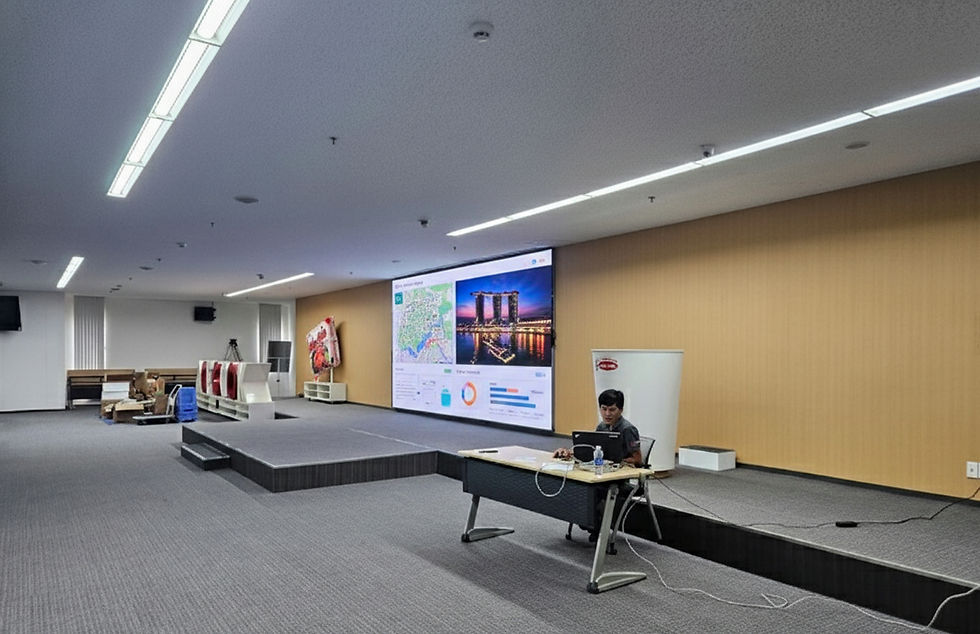
Choosing Commercial LED Video Walls for Different Environments
Different environments require tailored solutions. Here are some examples:
Retail and Shopping Malls
Retail spaces benefit from high-resolution, bright displays that attract shoppers. Interactive features can enhance customer engagement. Choose video walls with vibrant colors and fast refresh rates to display dynamic content smoothly.
Corporate Offices and Conference Rooms
In offices, clarity and color accuracy are essential for presentations and video conferencing. Opt for video walls with fine pixel pitch and wide viewing angles. Integration with existing AV systems is also important.
Outdoor Advertising and Public Spaces
Outdoor video walls must be weatherproof and extremely bright. Look for high IP ratings and brightness levels above 2500 nits. Anti-glare coatings improve visibility in direct sunlight.
Control Rooms and Command Centers
These require precise image quality and reliability. Choose video walls with high resolution, excellent contrast, and 24/7 operational capability.
Technical Specifications to Prioritize
When reviewing product specifications, focus on:
Refresh Rate: A higher refresh rate (above 1920Hz) reduces flicker and improves image stability.
Color Accuracy: Look for video walls that support a wide color gamut and 16-bit color depth.
Power Consumption: Efficient models reduce operating costs.
Connectivity: Ensure compatibility with your content sources and control systems.
Budgeting and Cost Considerations
Cost varies widely based on size, resolution, and features. Set a realistic budget that includes:
Hardware costs
Installation fees
Maintenance and repair expenses
Software and content management tools
Investing in quality upfront reduces long-term costs and downtime.
Final Thoughts on Selecting the Best Video Wall
Choosing the right video wall requires balancing technical needs, environment, and budget. I recommend working with a professional supplier who can assess your requirements and provide tailored solutions. A well-chosen video wall enhances communication, boosts engagement, and supports your business goals effectively.
For those looking for reliable and professional solutions, consider exploring commercial led video walls that offer supply, installation, and repair services. This ensures you get a complete package from experts who understand your needs.
By focusing on these factors, you can confidently select a video wall that delivers excellent performance and value.


Comments